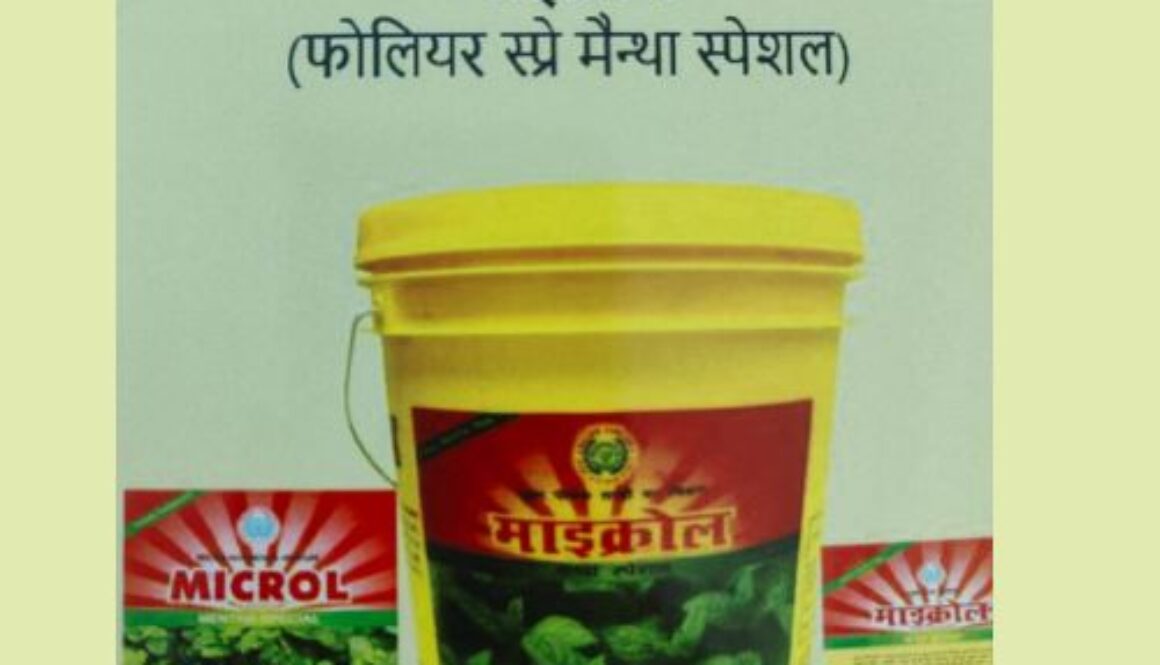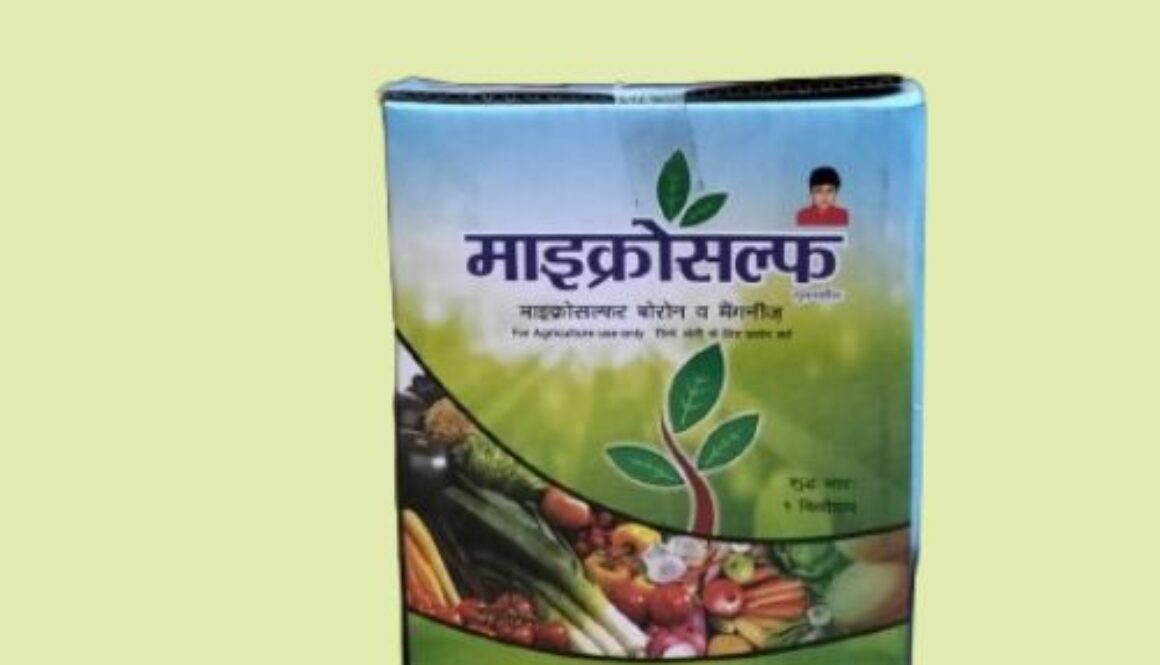
MICROSULF Sulphur- Soil Application
It is a powerful producer of sulphur, manganese and boron which are essential in all crops. The structure of plants consists of 80 percent water and 20 percent dry matter. In which the amount of sulfur is more than the trace elements like zinc, iron, copper etc. The amount of sulfur generally used by all crops is similar to that of super phosphate. Its quantity is required to be 3 to 4 kg per ton production for cereals, 8 kg per ton production of pulse crops and 12 kg for oilseed crops. It is essential in the formation of green color of leaves in plants and in photosynthesis. Due to its deficiency, protein synthesis does not occur.
Due to lack of sulphur:
Sulphur-free, more nutrient-rich fertilizers like urea, D.A.P. Due to continuous and unbalanced use of etc.
Multiple cropping and use of hybrid seeds leads to continuous loss of sulfur from the soil.
In light soil, sulfur also seeps in due to seepage and excessive rainfall.
To use the organic matter of crops for fodder and fuel.
Due to less use of organic matter, organic dung, compost etc.
sulphur use and quantity: Microsulph should be used at the time of sowing or in standing crops, 5 kg to 10 kg per acre. If sulphur deficiency is in large quantity then it should be used twice at the time of sowing and in standing crops. It is necessary to have moisture in the field at the time of using microsulph.
Crops: Paddy, sugarcane, wheat, soybean, cotton, pigeon pea, gram, moong, kidney bean, cowpea, potato, chilli, tomato, capsicum, mango, apple, grapes, pear, guava, all types of vegetables – cabbage, lady’s finger, pumpkin. , bottle gourd, ridge gourd, bitter gourd, cucumber etc.